Wire end ferrules: when they are needed and how to crimp them correctly
Fine stranded conductors in screw or spring terminals need a clean end termination. Wire end ferrules keep individual strands from splaying out and make sure the clamped joint holds over the long term.
What wire end ferrules are for
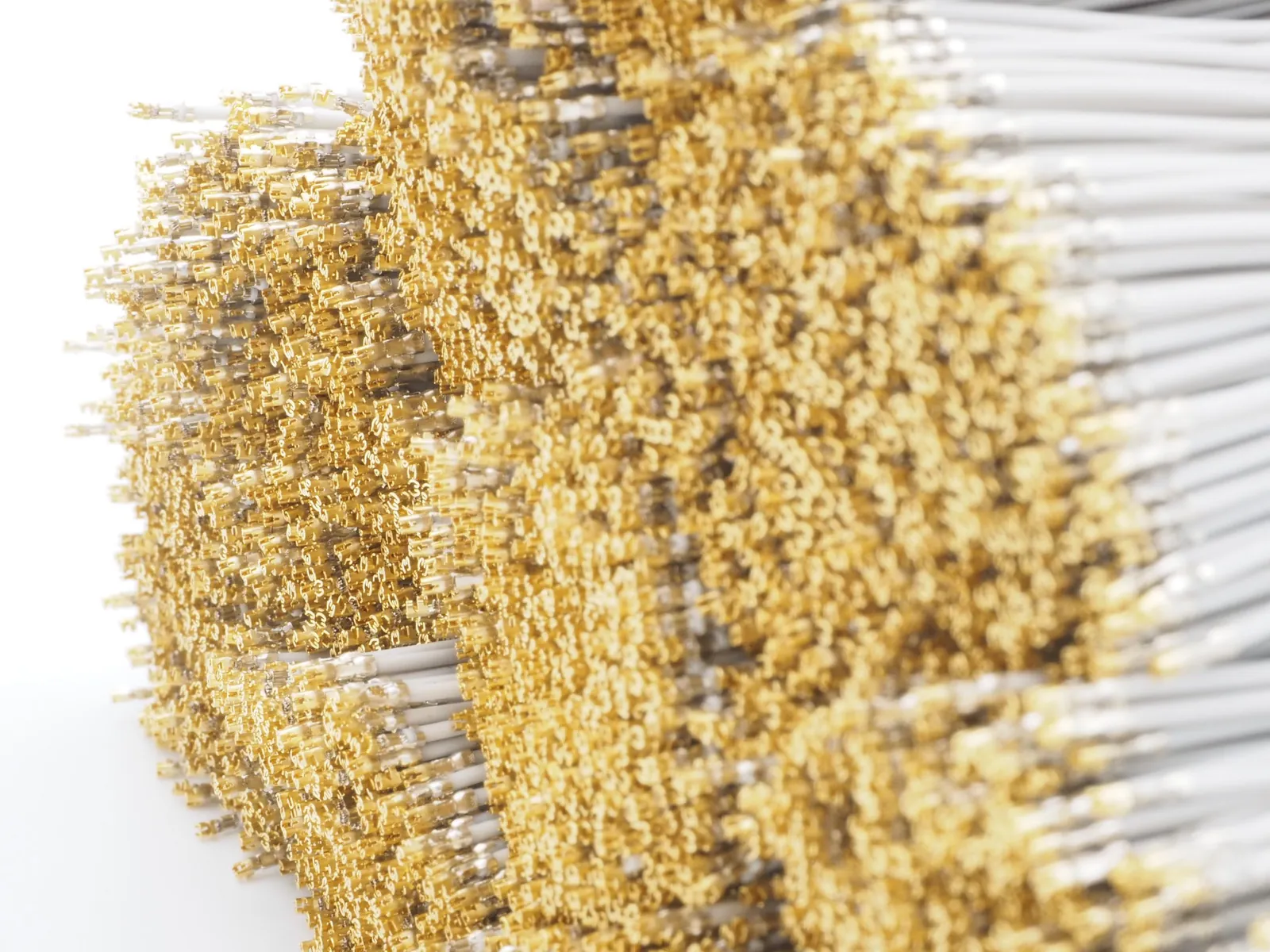
A wire end ferrule is a small metal tube, usually of tinned copper, that is crimped onto the stripped end of a fine stranded conductor. It holds the individual strands together, prevents strands from splaying out or being sheared off as the conductor is inserted into a terminal, and spreads the clamping force evenly.
Types of wire end ferrule
- With a plastic collar: makes insertion easier and protects against kinking; the colour of the collar indicates the cross section according to a colour code
- Without a collar: for tight installation spaces
- Twin wire end ferrules: for two conductors in one terminal
- Various lengths to suit the depth of the terminal
When they are needed
Whether wire end ferrules are mandatory depends on the type of conductor and on the terminal. For fine stranded conductors in screw terminals they are common practice; many spring terminals also accept fine stranded conductors without a ferrule, provided the manufacturer permits it. What counts are the terminal manufacturer's specifications and the requirements of the customer specification.
What matters when crimping
- Choose a ferrule whose cross section matches the conductor
- Choose the stripping length so that the strands reach the end of the metal sleeve
- Crimp with the matching tool, with a trapezoidal or square profile for example
- No individual strands outside the ferrule
- Do not tin the strands beforehand
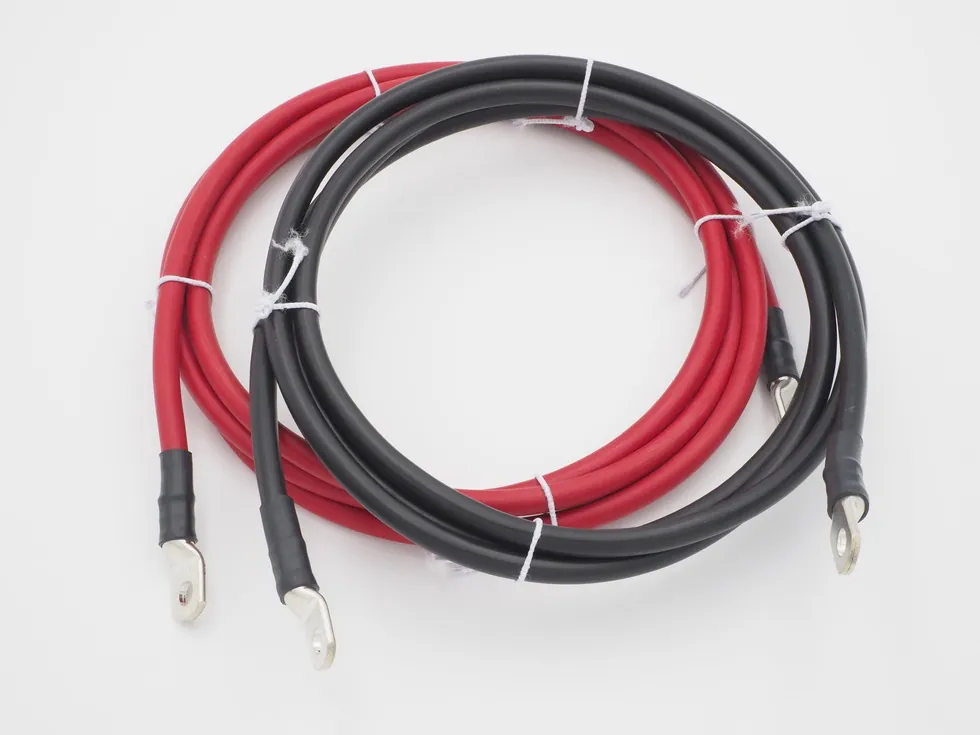
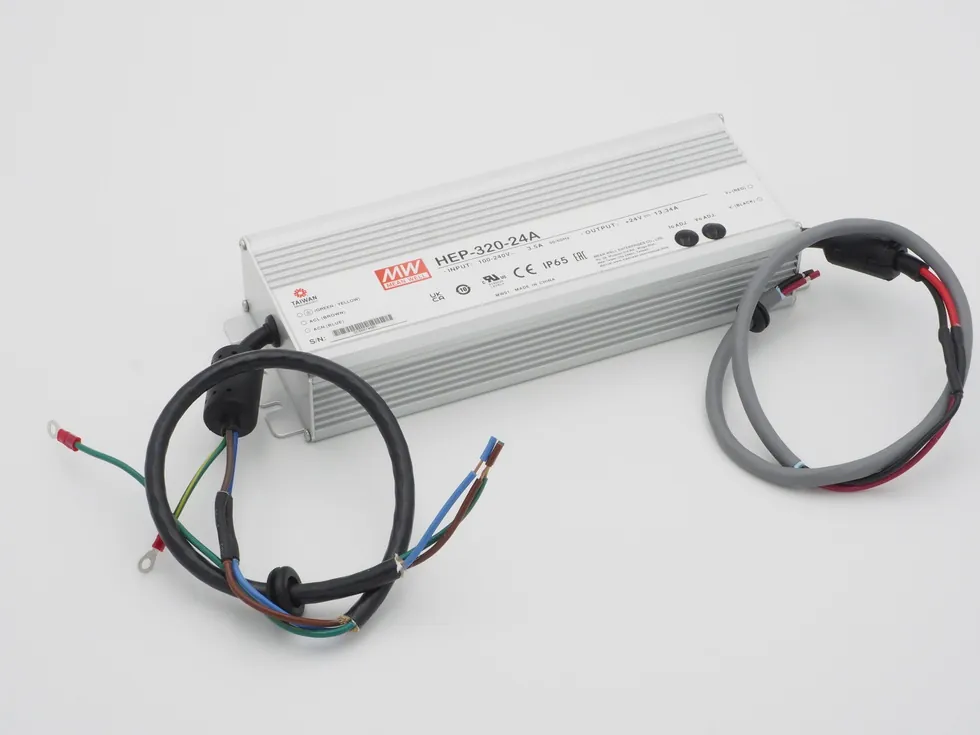
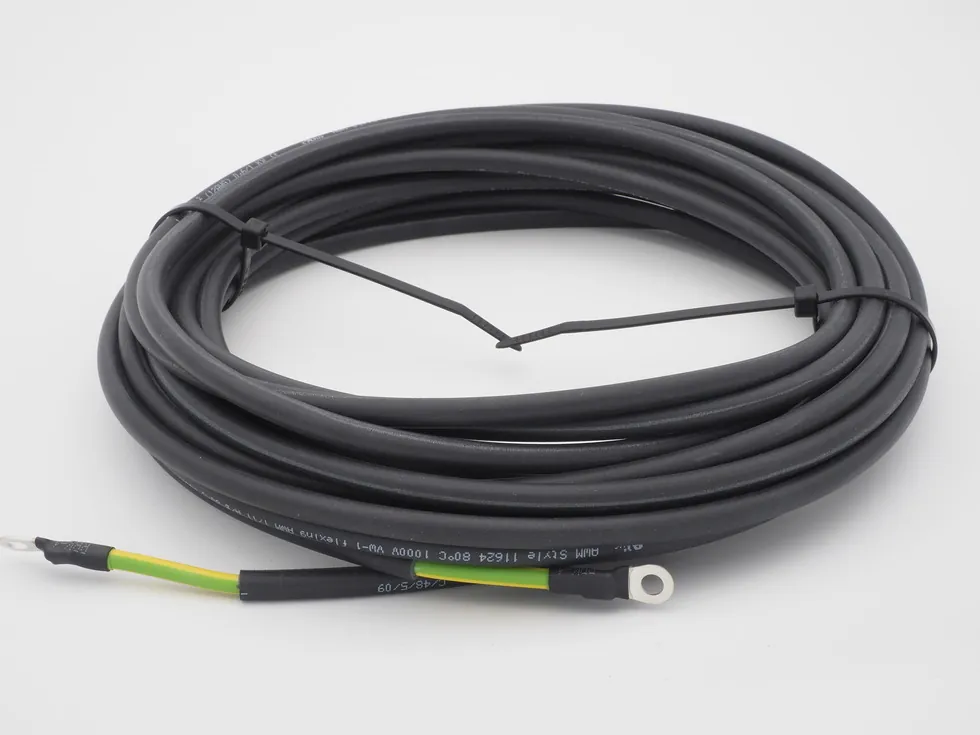
At Powertune we fit wire end ferrules on cable sets and connection cables, for electrical engineering for example, ready to install and labelled.