What M8 and M12 mean
The designation states the metric thread of the coupling nut: M8 stands for a thread diameter of 8 mm, M12 for 12 mm. Both designs are standardised internationally and many manufacturers offer compatible versions. M8 is more compact and typical for small sensors; M12 is more robust, offers more poles and higher currents and is the most widely used interface in field wiring.
Coding and pole counts
The coding prevents connectors intended for different applications from being mated by mistake. On the M12, common codings include:
- A-coding: sensors, actuators and DC power supply, for example with 3, 4, 5 or 8 poles
- B-coding: fieldbuses such as Profibus
- D-coding: Industrial Ethernet up to 100 Mbit/s, 4 poles
- X-coding: Ethernet up to 10 Gbit/s, 8 poles
- Further codings for power and AC applications
M8 connectors are typically available with 3, 4, 6 and 8 poles. The device manufacturer and the application determine which coding and pole count fits.
Degree of protection and locking
Mated and screwed together, M8 and M12 connectors usually reach at least degree of protection IP67; there are versions with a higher degree of protection for wet environments and for environments that are cleaned. Besides the classic screw coupling there are quick locking systems. What matters for the degree of protection is an intact seal and the correct tightening torque.
Assembled cables with M8 and M12
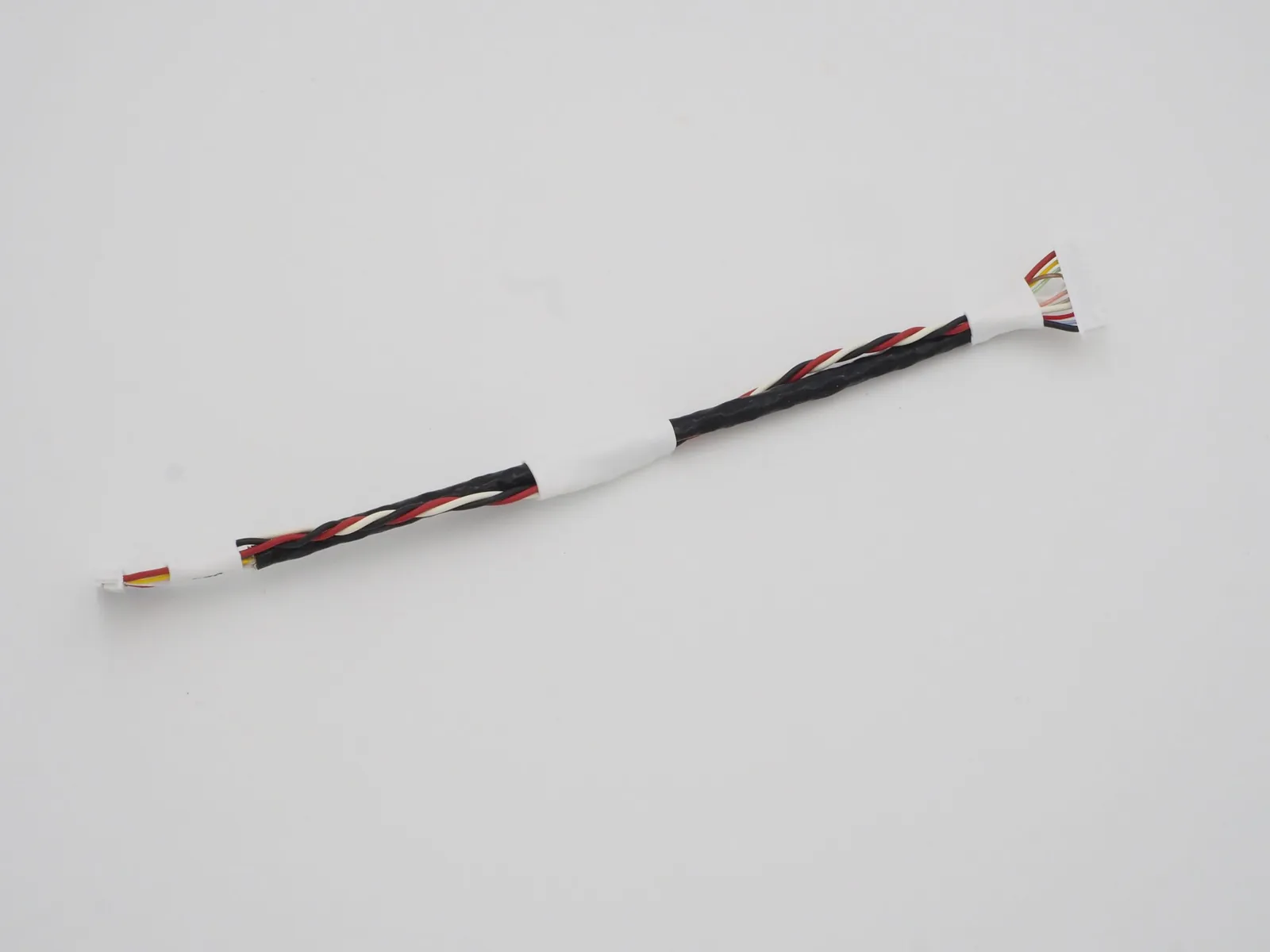
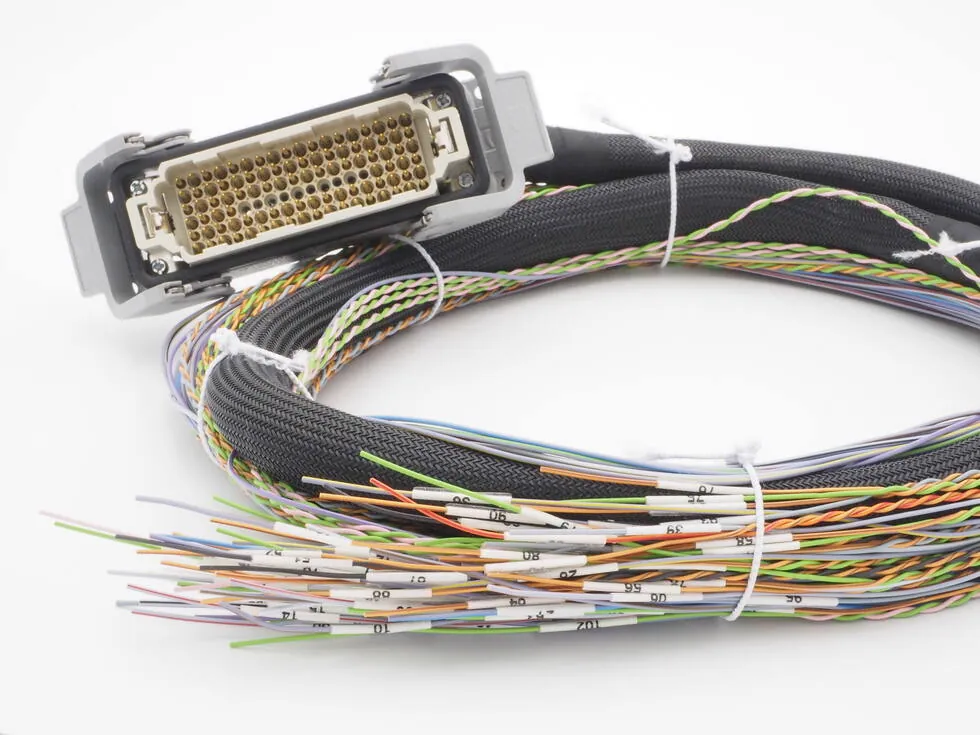
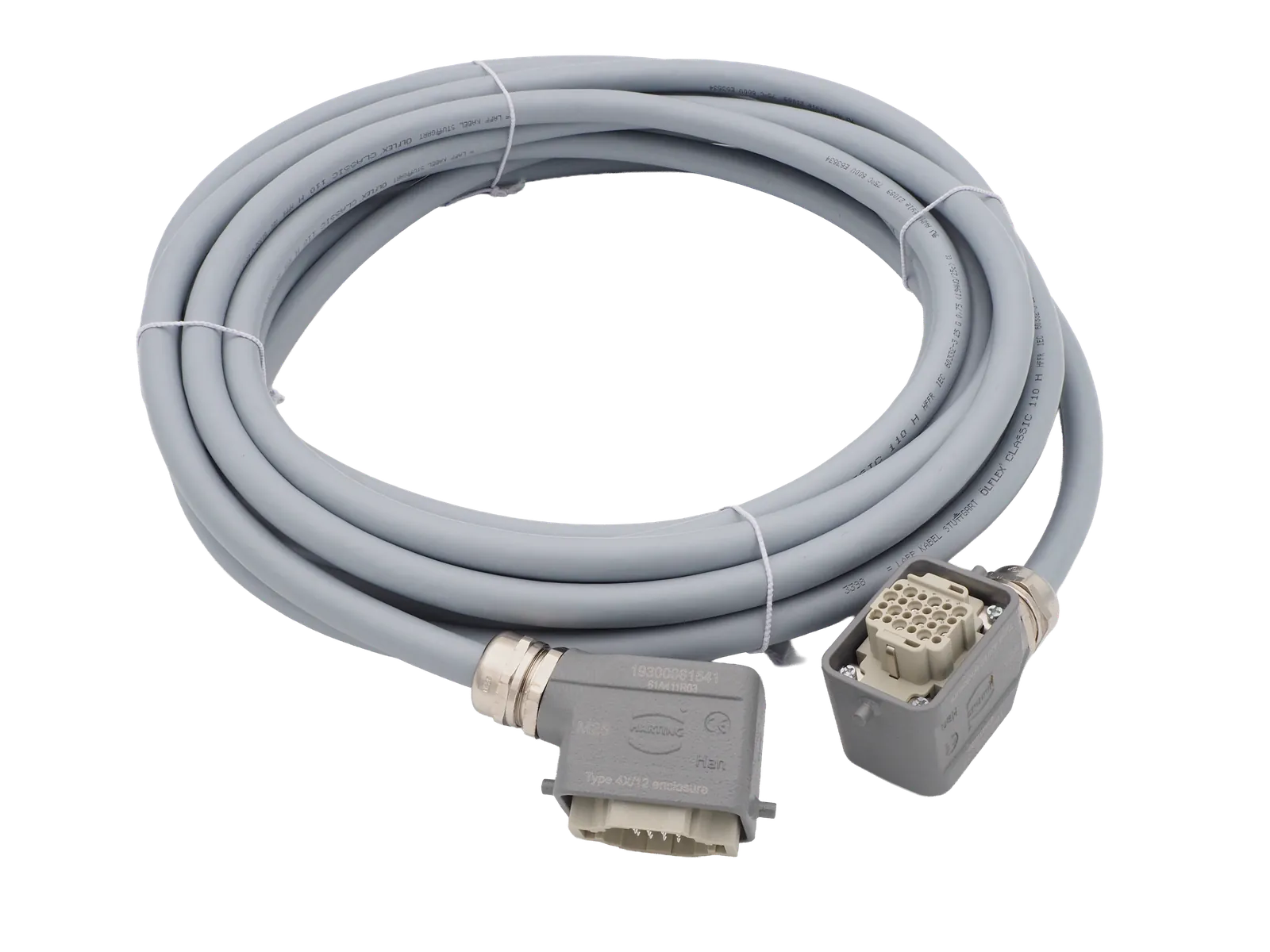
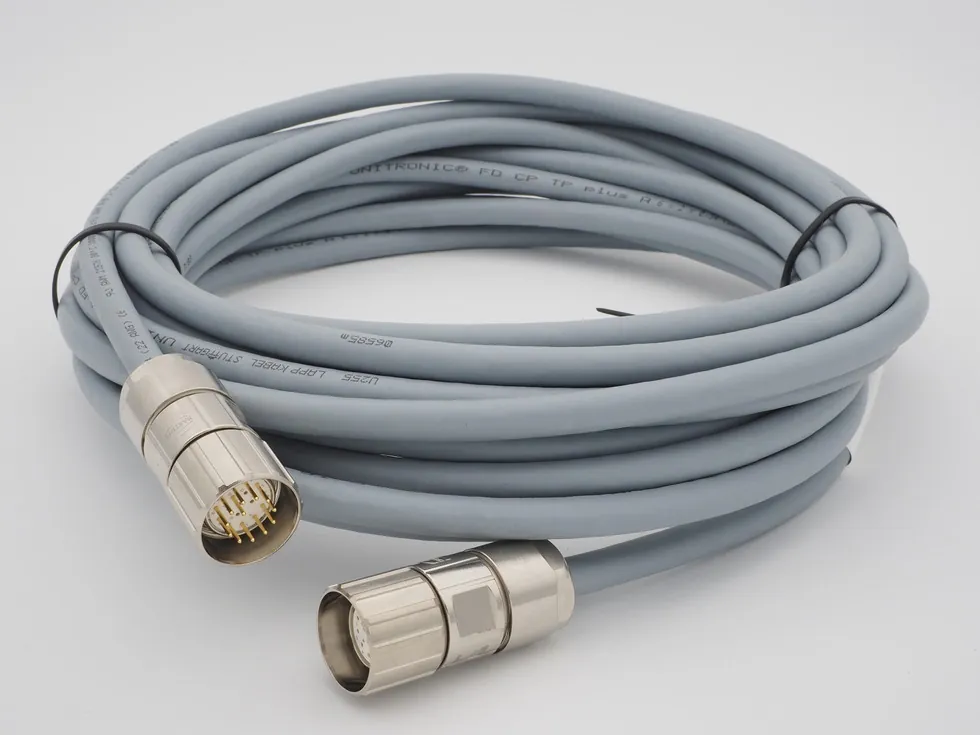
Cables with M8 and M12 connectors are available as overmoulded standard products and as assembled cables with field wireable connectors or contacts. Customised sensor and data cables pay off when lengths, cable types, branch outlets or marking differ from the standard, or when several sensors are combined into one cable set.
For mechanical engineering and plant construction we assemble sensor, data and control cables, often with M8 connectors. Individual connectors are also available from powercable.de.