How CAN transmits data
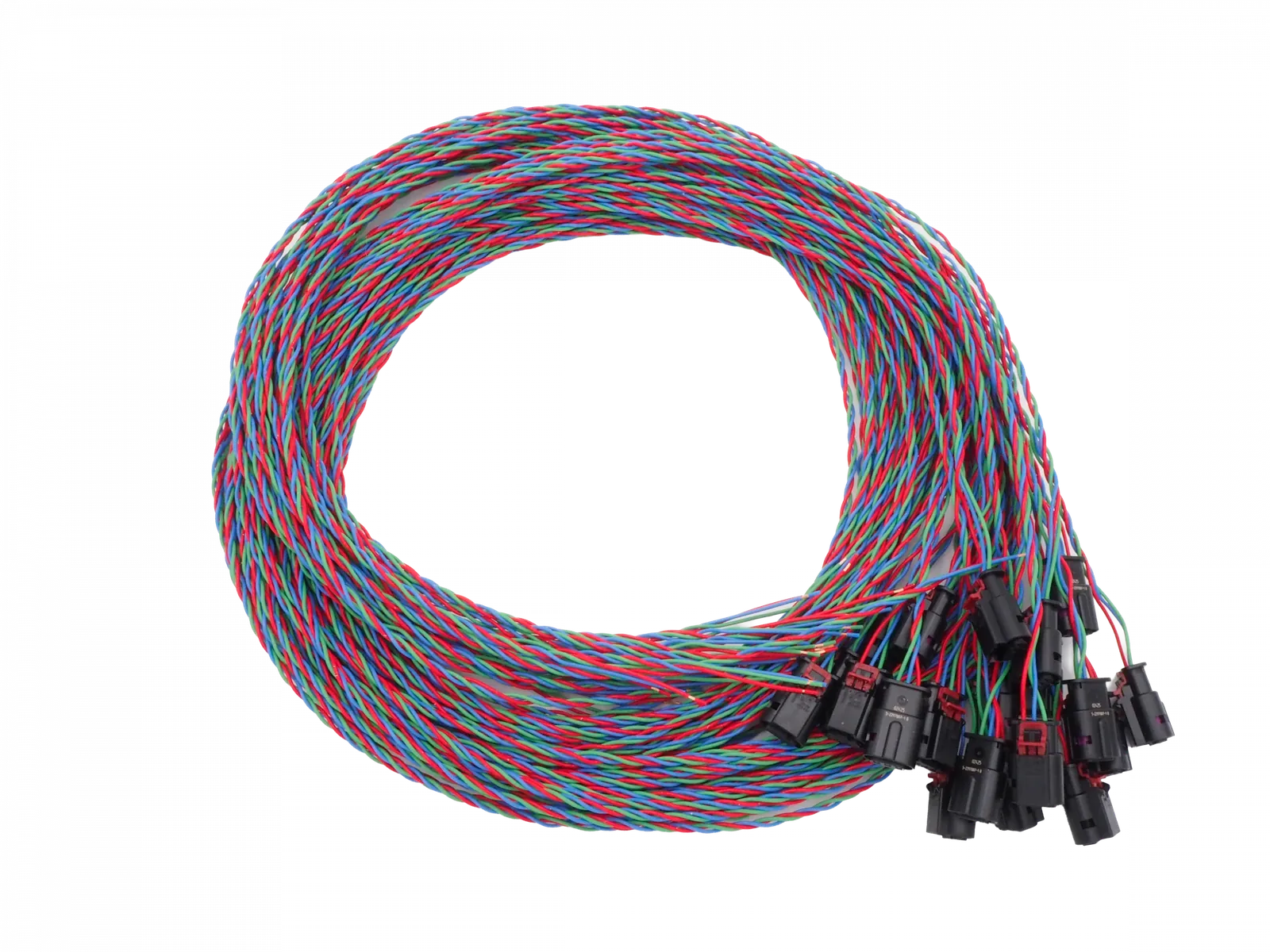
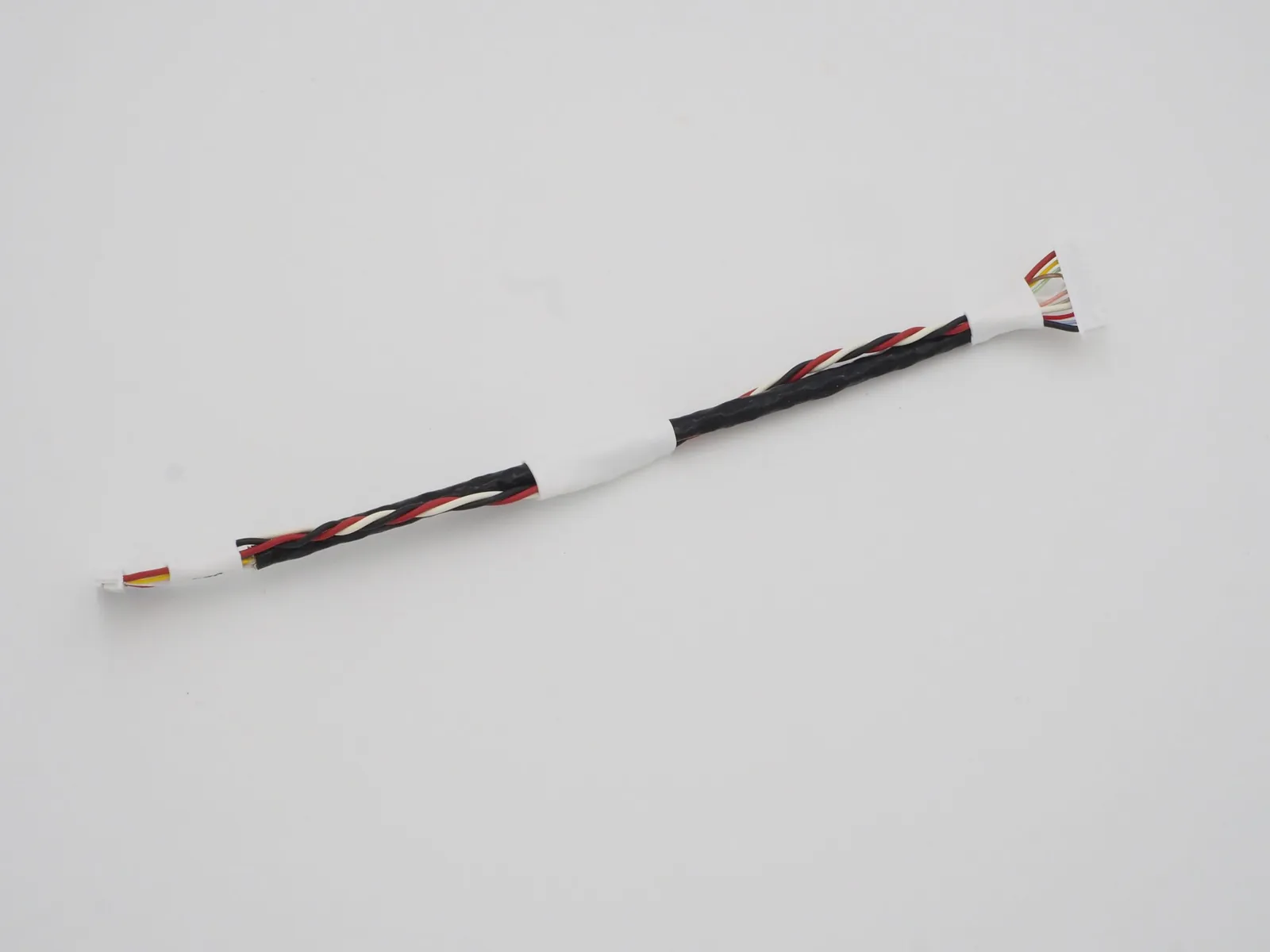
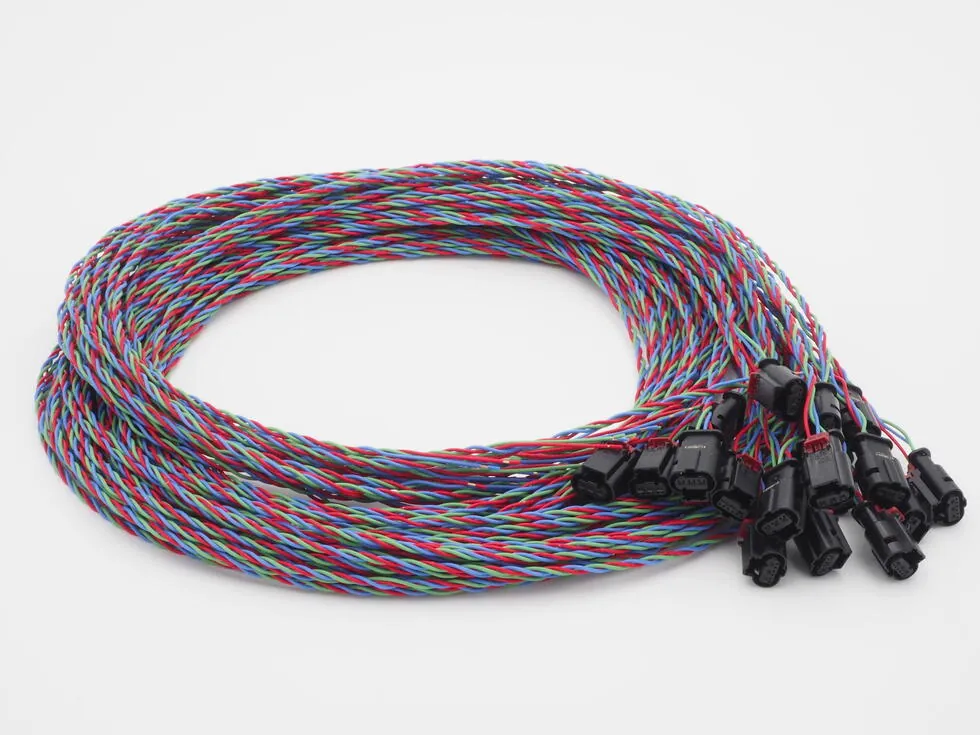
CAN transmits data differentially over two cables, CAN High and CAN Low. The receiver evaluates the voltage difference between the two; interference that affects both cables in the same way largely cancels out. For this to work, the cables have to run close together. That is why they are twisted.
What the wiring has to deliver
- Twisted cables for CAN High and CAN Low with a characteristic impedance of around 120 Ω
- Termination resistors of 120 Ω at the two ends of the bus
- A linear topology with the shortest possible stub lines to the nodes
- Depending on the environment, shielded cables with the shield properly terminated
- Connectors and contacts that suit the environment (often sealed)
Typical sources of error
- A missing or duplicated termination resistor
- Stub lines that are too long, or a star topology
- Twisting that has come undone at connectors and splices
- CAN High and CAN Low cores swapped
- Moisture in connectors that are not sealed
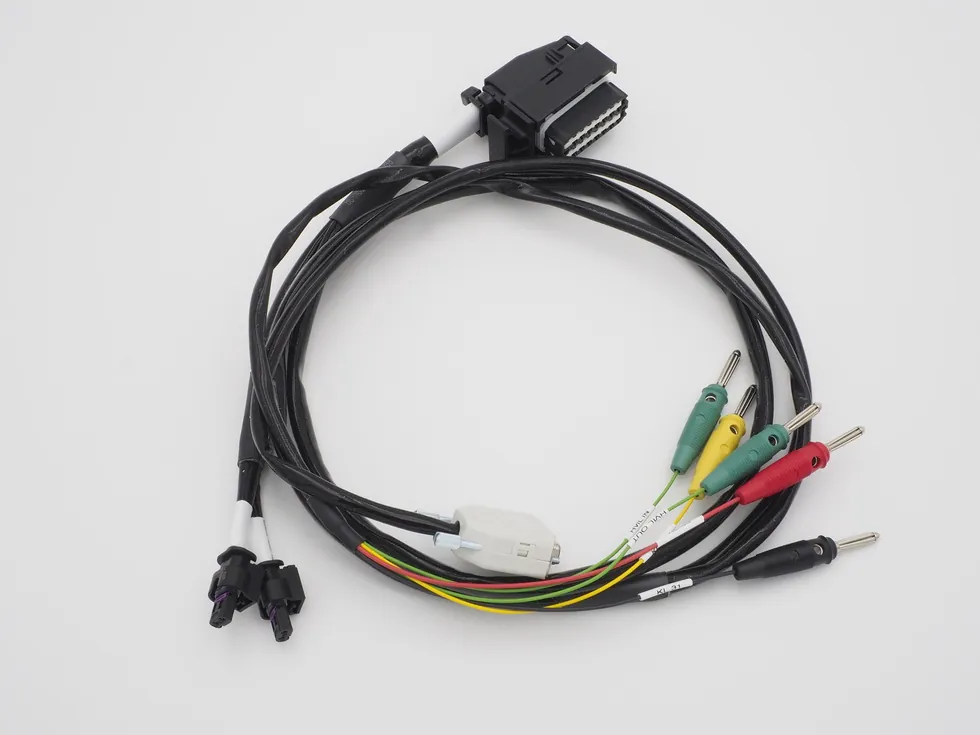
Many of these faults can be avoided at the design stage. Electrical testing reveals swapped cores, open circuits and short circuits before delivery.
CAN bus sets at Powertune
We manufacture CAN bus sensor sets in series production, including for agricultural technology. Twisted cables are made on the Komax BT 188 T twisting machine, single wire seals are fitted by machine, and every set is tested electrically.