How it works
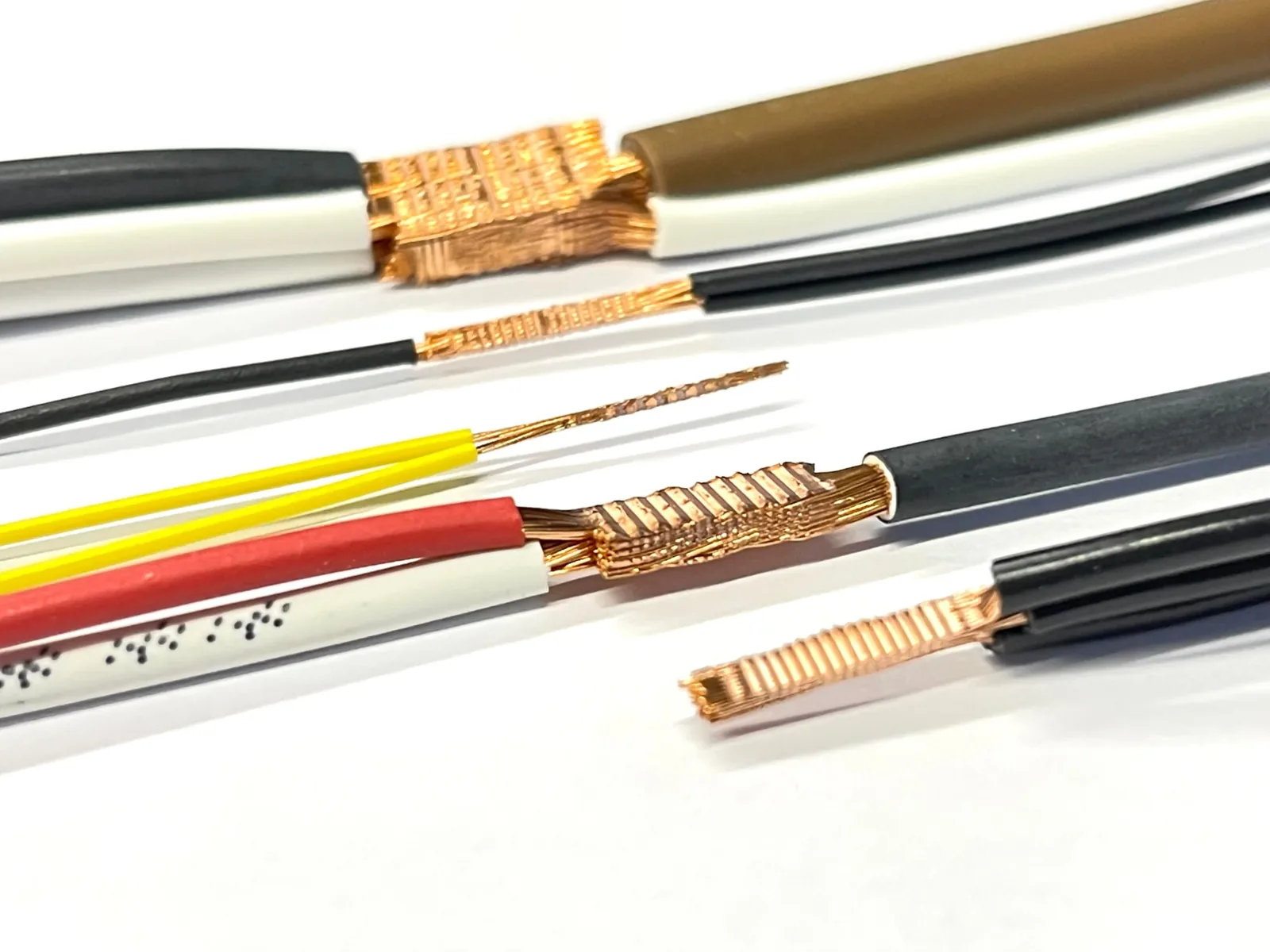
In ultrasonic welding, the bare strands are pressed between a sonotrode and an anvil and moved by high frequency vibration. The surfaces rub against each other, oxide layers break up, and the wires bond in the solid state, without the metal melting.
The advantages over soldering
- No solder and no flux in the wiring harness
- No stiff soldered zone that can become a breaking point under vibration
- Compact nodes that are easy to insulate and protect
- Copper, aluminium and mixed material joints are possible
- Process data for every weld
We still solder wherever components or printed circuit boards call for it.
Our machine
We have been welding on a Schunk Minic-III since 2023. According to the manufacturer it handles weld cross sections from 0.26 to 30 mm², records the process data of every weld and measures the geometry of the node with a digital displacement measuring system.
The article Ultrasonic splice in the wiring harness explains how a splice is constructed and tested.